Good news keeps coming: Retirement plans and charitable giving
QCDs keep getting better. New legislation could extend them beyond IRAs — and that’s a conversation worth having with your clients now.
For over 50 years, the Community Foundation has helped people give with purpose, strengthening Memphis and the Mid-South.
We make giving easier and more impactful by matching your generosity with the causes and community you care about most.
We offer solutions and resources to donors and the professionals who advise them to help you give smarter and do more good.
We offer funding opportunities that helps nonprofits and students create positive change and build futures.
When you get involved with the Community Foundation, you join a group of people committed to Memphis’s future.
Learn more about the philanthropic hub that connects capital with the solutions that make our community thrive.
QCDs keep getting better. New legislation could extend them beyond IRAs — and that’s a conversation worth having with your clients now.
You’ve no doubt noticed that Qualified Charitable Distributions (“QCDs”) continue to gain traction as one of the most practical and effective charitable planning tools for clients over age 70½. By allowing eligible clients to transfer funds directly from an IRA to a qualified charity without recognizing the distribution as taxable income, QCDs can help reduce adjusted gross income while supporting charitable priorities. For many clients—especially those who do not itemize deductions—a QCD is particularly appealing.
What’s especially notable is that in recent years, Congress has expanded planning opportunities by indexing annual giving limits for inflation ($111,000 per person in 2026) and allowing certain one-time QCDs (“Legacy IRAs”) to fund charitable gift annuities and charitable remainder trusts. And now, proposed legislation known as the “Charity Parity Act” would, if enacted, extend QCD treatment beyond IRAs to include employer-sponsored retirement plans such as 401(k)s, 403(b)s, and 457(b)s. This potential change in the law would remove the extra step of rolling assets into an IRA before making a charitable gift, simplifying the process for many donors whose retirement savings remain primarily in workplace plans.
Your client, age 74, is taking Required Minimum Distributions (“RMDs”) from a traditional IRA. Because the client claims the standard deduction, charitable gifts do not generate additional tax savings. By instead directing a portion of the RMD to a qualified charity as a QCD, the client can satisfy part or all of the RMD obligation without increasing taxable income. In many cases, this can also help reduce Medicare premium surcharges and lessen the taxation of Social Security benefits, creating planning advantages beyond the charitable deduction itself.
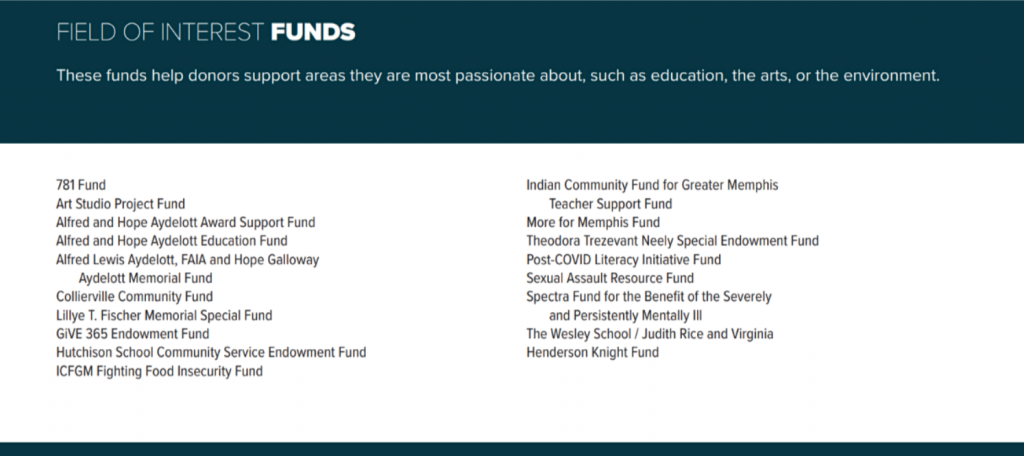
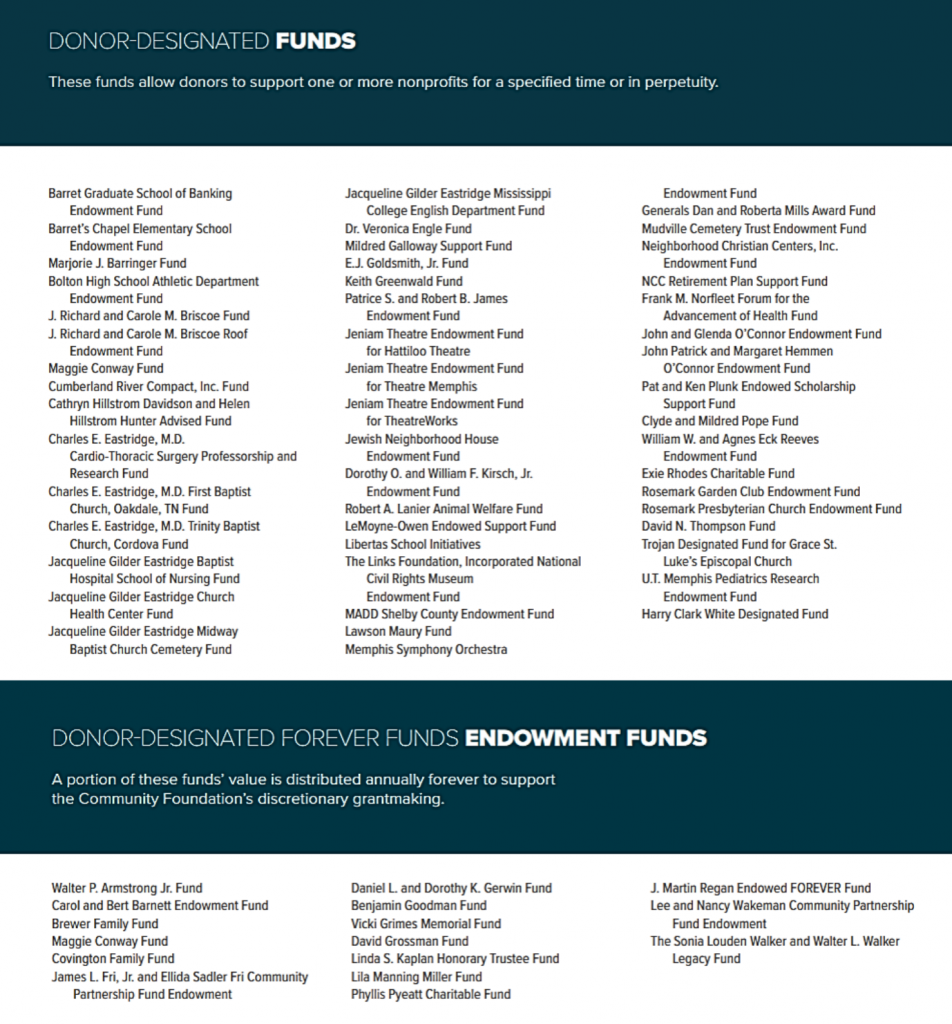
Keep in mind that charitable giving with IRAs goes beyond current gifts to charity! As part of advising clients about their IRAs, be sure to check their beneficiary designations. Not only is it tax advantageous for a client to name a fund at the community foundation or other public charity as beneficiary of an IRA, but it’s also a best practice to avoid problems in the future. (Retirement plan beneficiary designations continue to show up in cautionary tales!)
For attorneys, CPAs, and financial advisors, developments related to QCDs are worth watching closely. QCDs increasingly serve as a natural connector among retirement planning, philanthropy, and legacy conversations. Just as importantly, QCD discussions often open the door to broader planning opportunities, helping clients align financial goals with the causes and communities they care about most.
As always, please reach out to the Community Foundation anytime!
This content is provided for informational purposes only. It is not intended as legal, accounting, or financial planning advice. Please consult your tax or legal advisor to learn how this information might apply to your own situation.
Donate to the community-centered fund that responds to the Mid-South’s changing needs, guided by diverse voices and committed to shared progress.

Philanthropic Advisor
Cultivating relationships with professional advisors

For attorneys, CPAs, and financial advisors, National Estate Planning Awareness Week is a good time to remind yourself to engage clients in important dialogue sometimes overlooked in the estate…

Year-end planning season is here. Here’s why bunching charitable contributions deserves a spot in your client conversations right now.

Your client’s stock gift deduction might look smaller than expected — and there’s a good reason why. Here’s what advisors should explain.