Faith, Values, and the Estate Plan: What Every Professional Advisor Should Know
Estate planning has always been about more than documents. But for many clients—and many advisors—an important dimension of the planning conversation remains largely unspoken: the role of faith, religious values, and personal beliefs in shaping a truly complete plan.
The April 29 Mid-South Planned Giving Seminar hosted by the Community Foundation of Greater Memphis, Jewish Foundation of Memphis, and Planned Giving Council of the Mid-South brought this conversation to the forefront, offering professional advisors—estate attorneys, financial planners, CPAs, insurance consultants, and wealth managers—a framework for addressing what may be the most personal aspect of a client’s planning wishes.
The gap between how clients live and how they plan
Consider this: surveys consistently show that 95 percent or more of Americans believe in God or some form of higher power. Yet the vast majority of estate plans contain no reference to religious beliefs, values, or traditions whatsoever.
That gap carries real consequences. No area of the law is more intertwined with religious considerations than estate planning—touching everything from end-of-life medical decisions and funeral arrangements to the disposition of assets, the selection of fiduciaries, and the values transmitted to heirs. When advisors fail to surface these considerations, important personal goals of the client are often inadvertently left unaddressed—or worse, violated.
It’s not just the attorney’s conversation
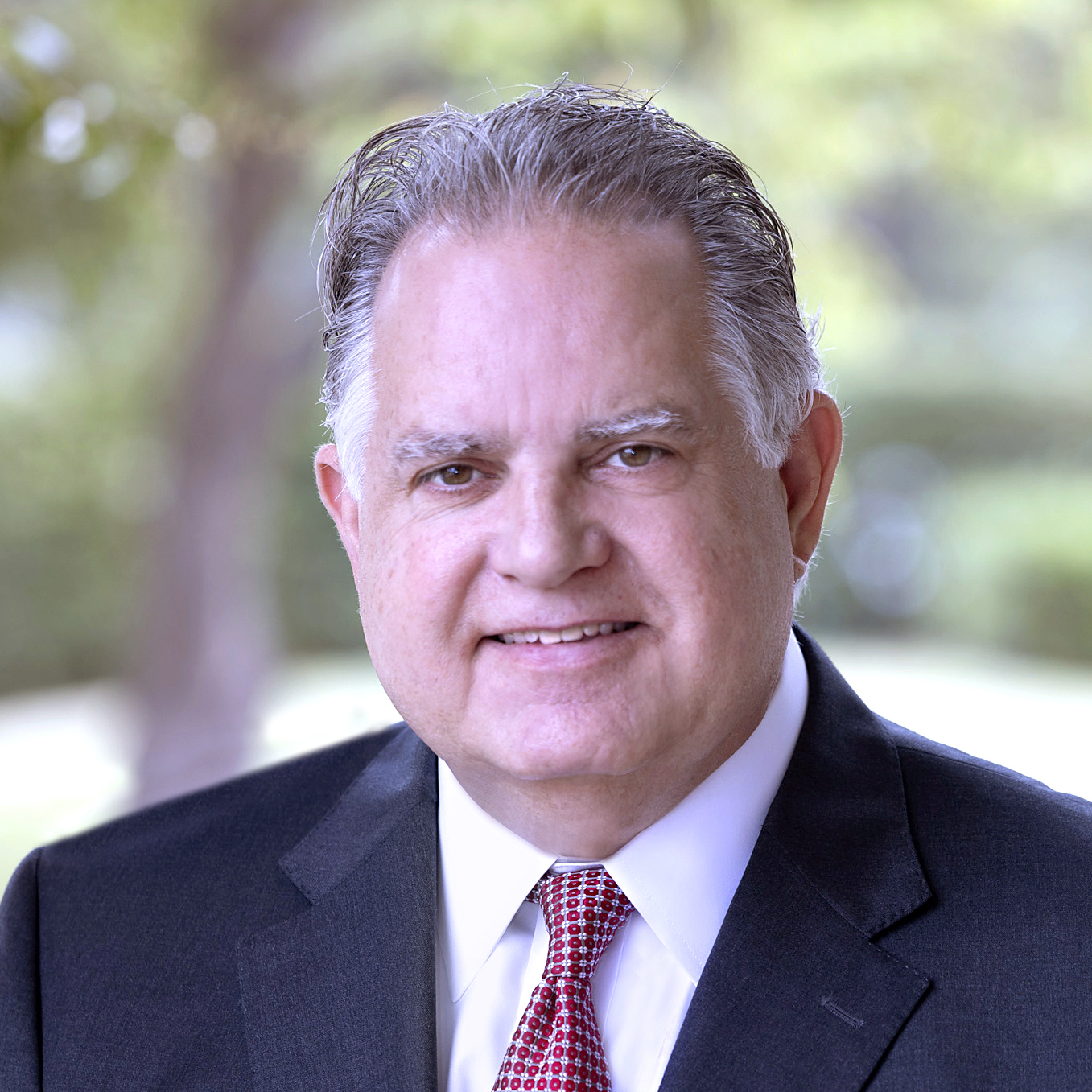
One of our speaker, estate attorney and national expert Martin M. Shenkman’s, central themes was that this responsibility doesn’t rest solely with the drafting attorney. Every advisor on a client’s team has a role to play.
Different advisors bring different relationships—and different lenses—to a client. In many cases, the wealth advisor, CPA, or insurance consultant may have the trust and rapport best suited for initiating these discussions. What matters is that someone asks.
The areas of estate planning most commonly impacted by religious considerations include:
- Charitable giving: Every major religious tradition promotes the value of giving. Helping clients translate that value into their financial and estate plans is an opportunity every advisor can embrace.
- End-of-life medical decision-making: Beliefs about intervention, life support, and dying with dignity vary widely across faith traditions and must be reflected in advance directives and healthcare proxies.
- Burial, funeral, and post-death arrangements: Religious rituals, restrictions on autopsies, and specific burial requirements can all be addressed proactively.
- Transmitting values to heirs: A bequest can be more than a dollar figure. It can carry a message, articulate a hope, and model a value for the next generation.
- Disposition of assets: Faith-based considerations may inform how, when, and to whom assets are distributed.
- Fiduciary selection and authority: Trustees and agents must have the knowledge and sensitivity to navigate religious considerations, and documents must grant them appropriate authority—for religious education, charitable giving, pilgrimages, and other faith-aligned purposes.
- Ethical and miscellaneous issues: From disinheritance decisions and in terrorem clauses to mandatory arbitration before a religious body, charging of interest, and faith-consistent investment standards, religious considerations can surface in unexpected places.
Small Changes, Profound Impact
A key takeaway for advisors: addressing a client’s religious values in their plan does not require a fundamentally different planning process. It requires intention—and a willingness to ask.
With a modest additional effort, a standard charitable bequest can become a meaningful statement of values. A trust document can be tailored to fund religious education or faith-based travel. A power of attorney can be drafted to ensure that charitable giving continues even in the event of incapacity. Each of these changes may represent only minor drafting adjustments—but their impact on clients, their families, and the causes they care about can be profound.
An Opportunity to Deepen Client Relationships
Advisors who engage with these questions do more than improve their clients’ plans. They deepen the relationship itself.
When you take the time to understand what a client believes—not just what they own—you move from being a service provider to being a trusted confidant. That level of engagement strengthens client retention, generates referrals, and brings a dimension of meaning to professional practice that purely transactional work cannot.
As Shenkman framed it: are you merely providing documents, tax returns, and investment allocations—or are you reaching out to truly help those who retain you? You have the opportunity to encourage generosity, help reconcile family dynamics, and show genuine compassion to people navigating some of the most significant decisions of their lives.
A Starting Point
For advisors wondering where to begin, the answer is straightforward: ask. Ask your clients whether their faith or personal values are important to them. Ask whether they’d like those values reflected in their planning. Explain that there are meaningful ways to do so—and that you are prepared to help.
A surprisingly large number of clients want exactly this. Many simply haven’t been asked.
For more expertise and insight from Marty Shenkman, visit shenkmaneducation.com