Serving charitable clients: Dual strategies emerge
As charitable planning becomes more nuanced, your clients are increasingly falling into two distinct groups who require a tailored approach.
For over 50 years, the Community Foundation has helped people give with purpose, strengthening Memphis and the Mid-South.
We make giving easier and more impactful by matching your generosity with the causes and community you care about most.
We offer solutions and resources to donors and the professionals who advise them to help you give smarter and do more good.
We offer funding opportunities that helps nonprofits and students create positive change and build futures.
When you get involved with the Community Foundation, you join a group of people committed to Memphis’s future.
Learn more about the philanthropic hub that connects capital with the solutions that make our community thrive.
As charitable planning becomes more nuanced, your clients are increasingly falling into two distinct groups who require a tailored approach.
As tax laws and market dynamics continue to shift, it is important for attorneys, CPAs, and financial advisors to be aware of two increasingly distinct groups of donors.
Recent research underscores just how pronounced this divide is becoming. Individuals with a net worth of $30 million or more—often referred to as ultra-high-net-worth donors—are playing an increasingly outsized role in philanthropy, accounting for a significant and growing share of total charitable giving. At the same time, policy changes are encouraging broader participation at the other end of the spectrum, bringing new donors into the fold even if their initial gifts are modest. The result is a philanthropic landscape that is simultaneously becoming more concentrated and more expansive.
For your ultra-high-net-worth clients, charitable giving is rarely about a single transaction. Instead, it is often deeply integrated into long-term planning around wealth transfer, business succession, and family legacy. These clients may be evaluating complex assets, timing considerations, and multigenerational involvement. Conversations tend to focus on strategy—how philanthropy aligns with identity, values, and long-term impact. The Community Foundation can help you navigate these discussions by offering flexible structures, local insight, and support for engaging the next generation in meaningful ways.
By contrast, clients earlier in their wealth-building years—including the children and grandchildren of ultra-high-net-worth clients—may be engaging with charitable giving in a more incremental and exploratory way. The availability of a charitable deduction for non-itemizers creates a new opportunity to introduce philanthropy as part of their financial lives sooner than in the past. For these clients, the focus is often on establishing habits, identifying causes, and understanding how giving fits alongside other priorities. Even relatively small gifts can serve as the foundation for lifelong philanthropic engagement. (Note that the new deduction for non-itemizers applies only to cash gifts and is not available for gifts to donor-advised funds.)
These two groups are not just separated by wealth—they are operating under different incentives, different planning horizons, and different motivations. As a trusted advisor, recognizing these distinctions can help you tailor your conversations and add value in more meaningful ways. Some clients may benefit from sophisticated planning strategies, while others simply need a clear and accessible entry point.
Here is one final but important point: Regardless of whether a client itemizes or doesn’t itemize, pay close attention to clients who are age 70 ½ and over and who own IRAs. Qualified Charitable Distributions are a powerful and tax-advantaged tool for clients to transfer up to $111,000 per taxpayer (2026 limit) to support favorite causes. What’s more, proposed legislation may open the door for your clients to use QCDs to fund their donor-advised funds at the Community Foundation. Right now, clients can use QCDs to fund field-of-interest, unrestricted funds, and certain other types of funds at the Community Foundation, but not donor-advised funds.
As always, the Community Foundation is here to support both ends of this spectrum. Whether your client is structuring a complex gift involving closely held assets or taking the first steps toward organized charitable giving, our team can help you identify the right approach. We are honored to be your partner in serving your charitable clients across every stage of their philanthropy journey.
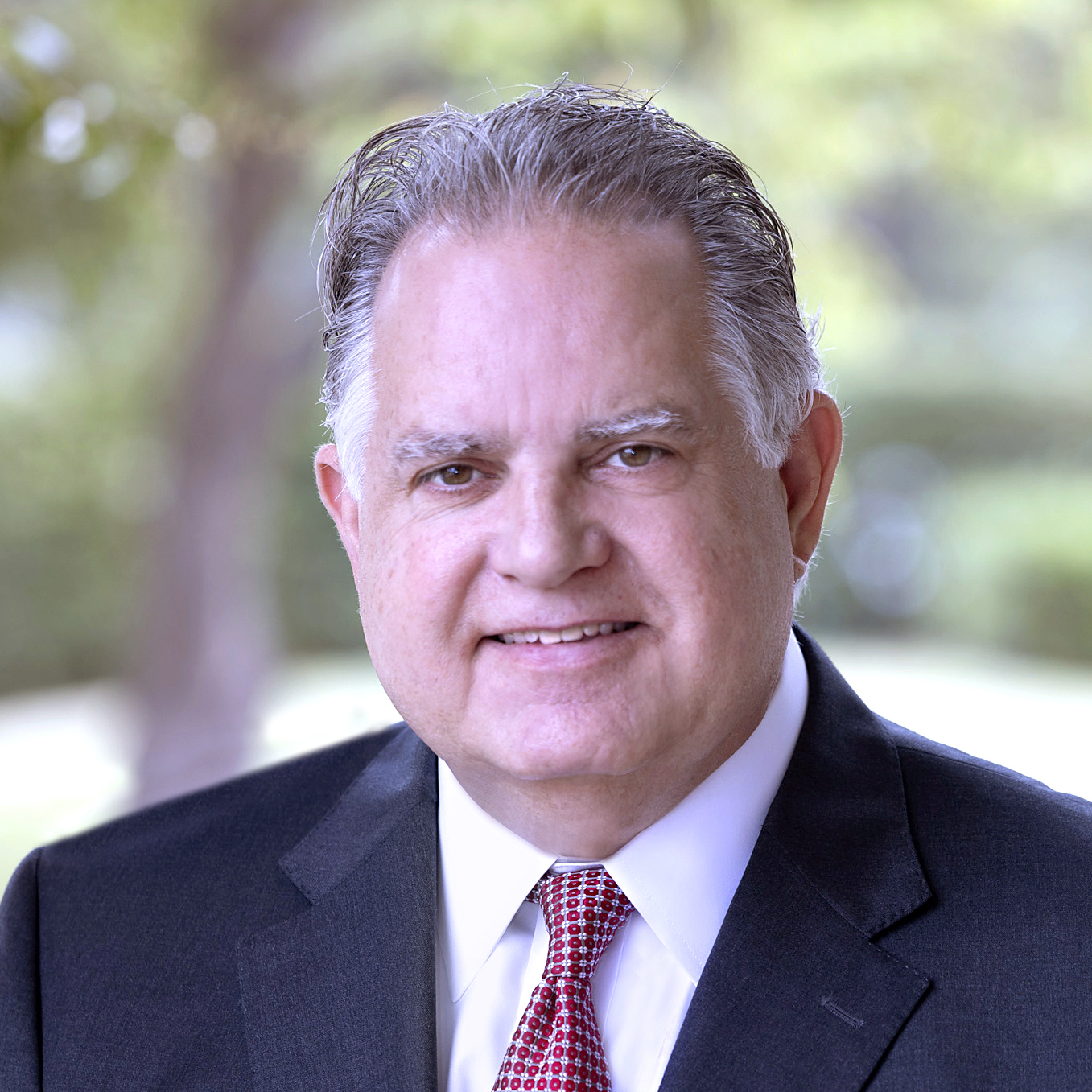
Philanthropic Advisor
Cultivating relationships with professional advisors

The possibility of a sustained down market can influence how clients think about giving. A case study highlights how you can help clients during uncertain times.

For clients transferring private foundations to a donor-advised fund, a thoughtful transition is essential to maintaining strong relationships and continued community impact.

A business sale is never just a financial transaction—it is a turning point for family identity, community presence, and long-term legacy.