Transferring a private foundation? Remind clients to communicate
For clients transferring private foundations to a donor-advised fund, a thoughtful transition is essential to maintaining strong relationships and continued community impact.
For over 50 years, the Community Foundation has helped people give with purpose, strengthening Memphis and the Mid-South.
We make giving easier and more impactful by matching your generosity with the causes and community you care about most.
We offer solutions and resources to donors and the professionals who advise them to help you give smarter and do more good.
We offer funding opportunities that helps nonprofits and students create positive change and build futures.
When you get involved with the Community Foundation, you join a group of people committed to Memphis’s future.
Learn more about the philanthropic hub that connects capital with the solutions that make our community thrive.
For clients transferring private foundations to a donor-advised fund, a thoughtful transition is essential to maintaining strong relationships and continued community impact.
As you work with clients who have established a private foundation, it is not uncommon for the conversation to eventually turn to whether this structure still makes sense. What began as a seemingly logical vehicle for organizing a family’s philanthropy can, over time, become administratively burdensome, especially as leadership transitions to the next generation. In many cases, transferring a private foundation’s assets to a donor-advised fund at the Community Foundation can offer a simpler and more flexible path forward.
You may already be familiar with the general benefits of a donor-advised fund. A donor-advised fund can reduce administrative responsibilities, eliminate many of the complex tax compliance requirements, and allow families to focus more fully on their charitable goals rather than ongoing operations. The technical mechanics of making the transition are also relatively straightforward, such as:
While these steps are important, the transition is ultimately about more than mechanics. It is an opportunity to reposition the family’s philanthropy for the future—reducing administrative friction while preserving, and in many cases enhancing, the impact of the family’s giving.
One aspect of the transition deserves particular attention because it is easy to overlook: communication with grantees. For many private foundations, relationships with nonprofit organizations have developed over years—sometimes decades. In some cases, grantees may rely on annual or recurring support.
When a private foundation winds down, a lack of clear communication can create confusion or uncertainty for the organizations that have come to depend on that funding. As a trusted advisor, you can play an important role in helping your client plan for this transition thoughtfully. What’s more, the Community Foundation can serve as a sounding board. Our team has close relationships with hundreds of nonprofit organizations in our community. Here are five tips for a client’s communication plan that you can help develop with the support of the Community Foundation team:
As always, the Community Foundation is here to help you and your clients navigate both the technical and relational aspects of this process. Whether your client is ready to move forward now or simply beginning to explore options, our team is honored to work alongside you to ensure a smooth and thoughtful transition to support your clients’ charitable objectives.
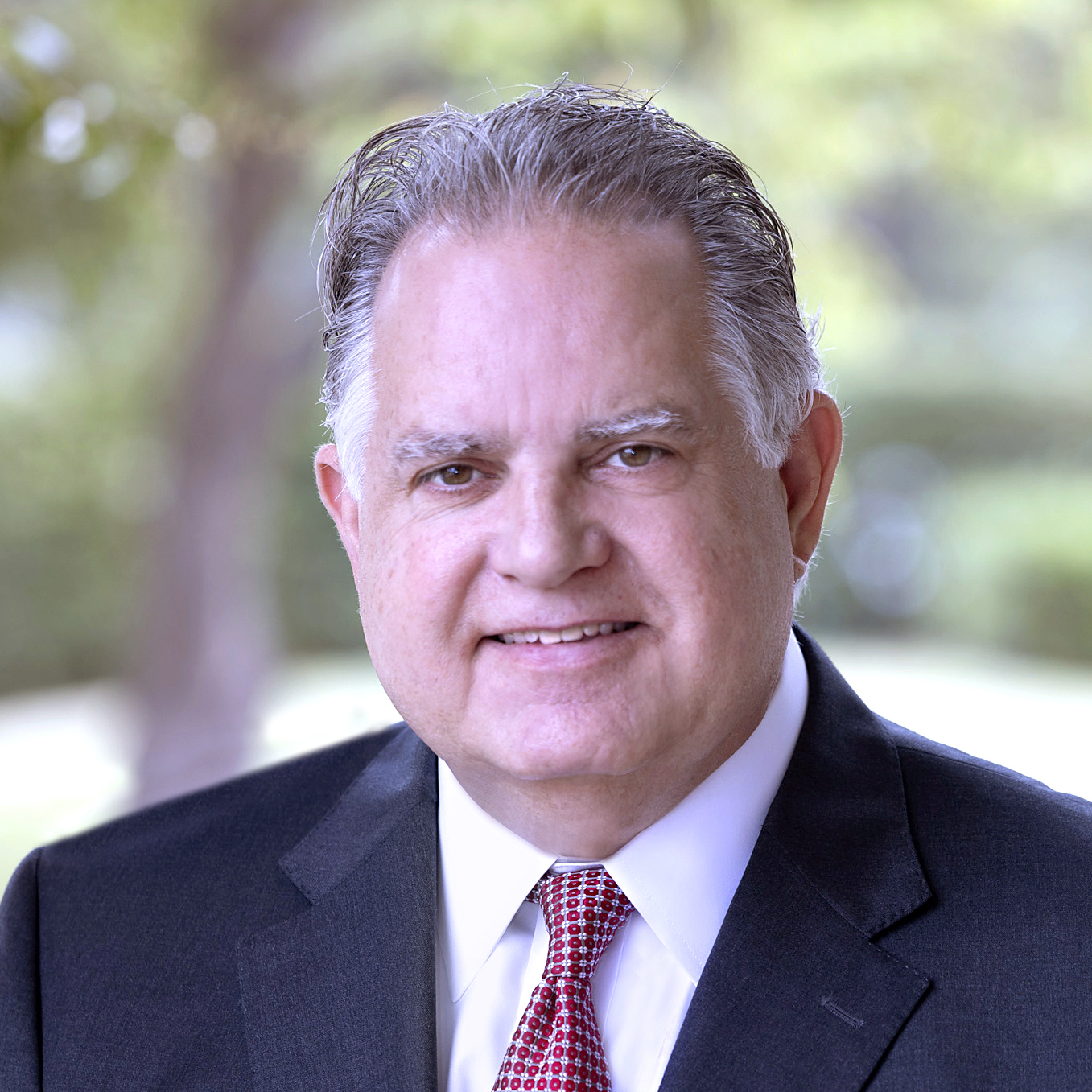
Philanthropic Advisor
Cultivating relationships with professional advisors

The possibility of a sustained down market can influence how clients think about giving. A case study highlights how you can help clients during uncertain times.

As charitable planning becomes more nuanced, your clients are increasingly falling into two distinct groups who require a tailored approach.

A business sale is never just a financial transaction—it is a turning point for family identity, community presence, and long-term legacy.